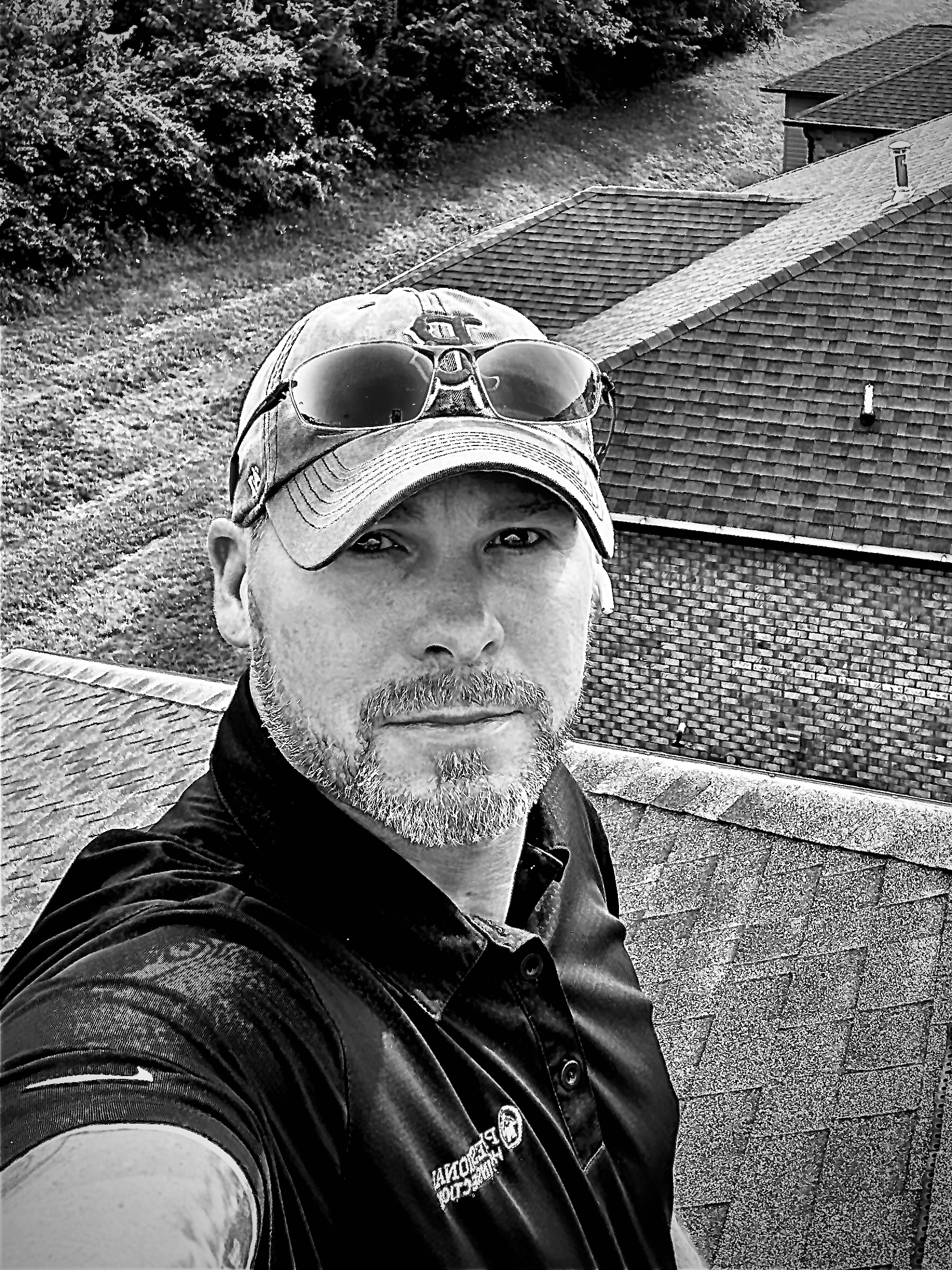
And Why I Recommend Brandon Walker with Ranger Pest Control
When purchasing a structure, one of the most overlooked but important evaluations is the Wood Destroying Insect (WDI) inspection. Termites and other wood destroying organisms can cause significant structural damage, often in areas that are not immediately visible. Understanding what a WDI inspection is, who is qualified to perform it, and how it complements a home inspection can help buyers make more informed decisions.
Why WDI Inspections Are Separate from Home Inspections in Tennessee
In Tennessee, a standard home inspection is governed by the Tennessee Home Inspection Standards of Practice (SOP). Under these standards, a home inspection is a general, non-invasive evaluation of the structure and its systems.
WDI or termite inspections are not included in a standard home inspection. This separation is intentional.
A licensed WDI inspection falls under the authority of the Tennessee Department of Agriculture, not the home inspection licensing board. To legally perform and report on WDI activity, a pest control company must:
• Hold a state-issued pest control charter
• Carry required bonding and insurance
• Employ properly licensed WDI inspectors
• Meet education and experience requirements, often including years of supervised field work
This regulatory framework exists because WDI inspections require specialized training, licensing, and liability coverage beyond the scope of a general home inspection.
A Common Point of Confusion for Homebuyers
Some home inspection companies advertise that they offer WDI or termite inspections. In many cases, this means the home inspection company is subcontracting the WDI inspection to a separate pest control company rather than performing it themselves.
There is nothing inherently wrong with this approach. However, it is important for buyers to understand:
• Who is actually performing the WDI inspection
• What their qualifications are
• How integrated that inspection is with the overall evaluation of the structure
Clarity matters. A WDI inspection is a specialized service, and buyers should know exactly who is responsible for that portion of the evaluation.
Not All WDI Inspections Are Performed the Same Way
Over the years, I have worked alongside many pest control companies, and one of the biggest differences I observe is time on site and inspection approach.
In many transactions, a WDI inspection is completed quickly and independently, often while a home inspection is taking place. These inspections may last 15 to 30 minutes and involve limited interaction with the home inspector.
A faster inspection is not automatically a bad inspection, but it can limit how much context is gathered and how well findings are connected to moisture conditions, construction details, and broader structural patterns.
Time, focus, and communication matter.
How Brandon Walker and I Work Together
When I work with Brandon Walker of Ranger Pest Control, the process looks different.
Brandon’s inspections are rarely rushed. He is typically on site for an hour or more, and often longer, depending on the structure. We communicate throughout the inspection, discussing:
• Moisture conditions
• Areas of prior or potential water intrusion
• Structural features that may be conducive to WDI activity
• Anything either of us sees that warrants closer attention
My inspection is macro-focused, looking at the structure as a whole, how systems interact, and identifying broader patterns or risk areas. Brandon’s work is micro-focused, concentrating specifically on wood destroying insect activity and damage at a detailed level.
Those two perspectives complement each other extremely well, and clients benefit from that collaboration.
Why I Recommend Brandon Walker with Ranger Pest Control

I do not make recommendations lightly. When I refer a professional, it is based on repeated firsthand experience and consistency over time.
I recommend Brandon Walker with Ranger Pest Control because his work is thorough, focused, and professional. He dedicates the time necessary to perform a detailed WDI inspection, communicates clearly, and concentrates solely on wood destroying insect activity and related damage.
His inspection process complements my own exceptionally well and adds meaningful value for clients by providing a deeper level of evaluation in an area that requires specialized training and licensing.
If you would like to learn more about Brandon and his company, you can visit his website here:
An Important Note About Referrals and Due Diligence
While I recommend Brandon Walker with Ranger Pest Control based on my experience, I always encourage clients to do their own due diligence.
Reach out to multiple pest control companies. Ask questions about their inspection process, time on site, and qualifications. Choose the professional you are most comfortable with and who best meets your needs.
My goal is not to steer clients toward a single option, but to help them understand what a quality WDI inspection looks like so they can make an informed decision.
The Bottom Line
A WDI inspection is not just a checkbox. It is a critical part of understanding the true condition of a structure.
When a thorough home inspection is paired with a dedicated, focused WDI inspection performed by a qualified professional, buyers are better informed, better protected, and better equipped to move forward with confidence.